(***)
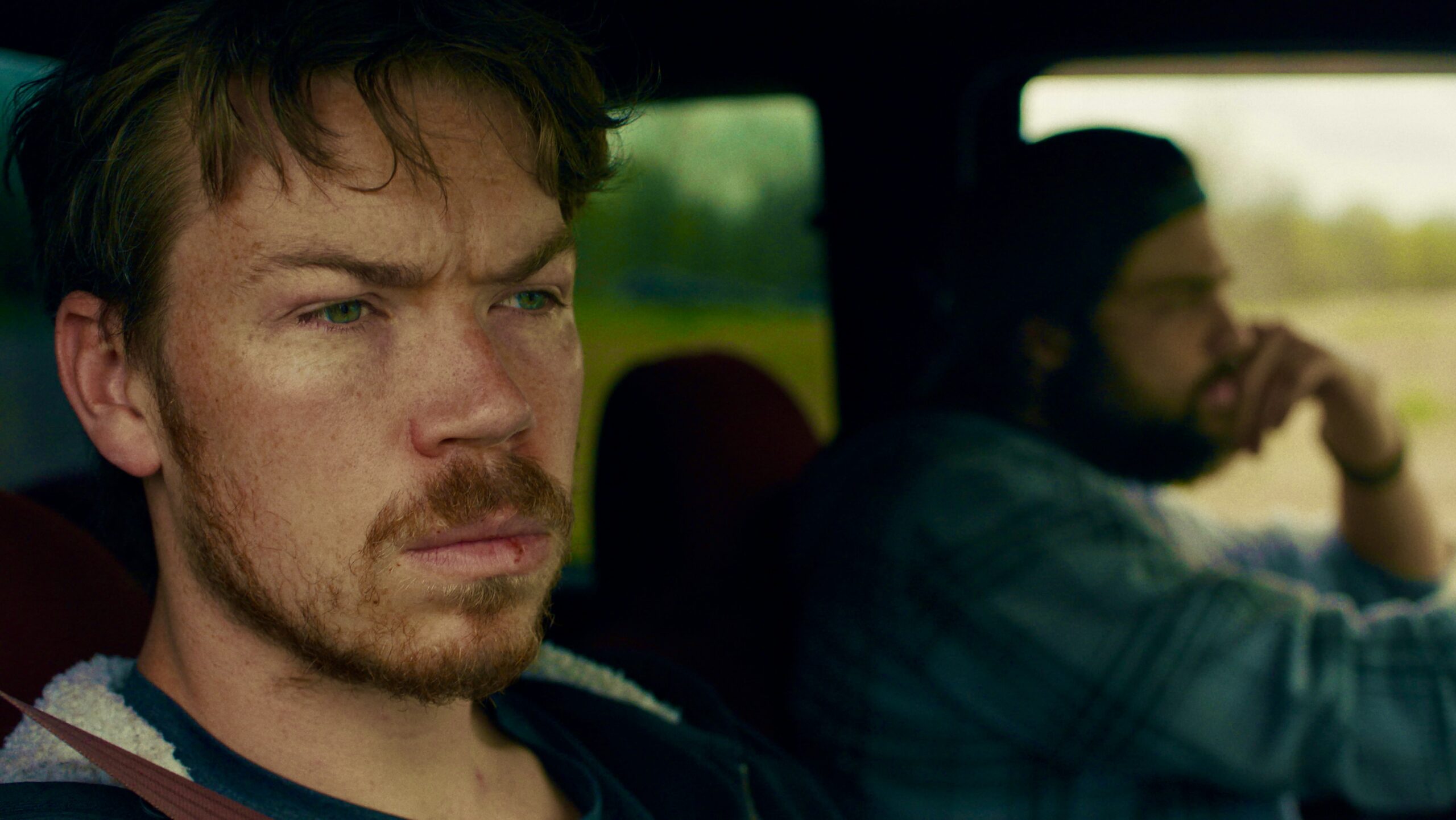
He could be the kid down the street. The guy next door. The young man working at the supermarket. The one with that vacant look in his eyes. The kind you get when you’re addicted to drugs, and your mind is always somewhere else even when you’re staring forward. It could be him.
There’s something very authentic and noteworthy about writer/director Adam Meeks’ take on the opioid epidemic. A public health crisis that’s gripped all corners and socioeconomic groups in the United States. The media is quick to point out the deaths, cartels and drug leaders. But too little information is spread about those who are stuck. Stuck in a cycle of addiction, recovery and relapse and possibly facing death. Going back to his roots in rural Union County, Ohio, Meeks creates a protagonist in need and a system ready to help. The filmmaker never exploits the victims, location or disease. Instead, he defines it and profiles a humane approach to rehabilitation. Utilizing a few actors and a lot of locals in his engaging drama/doc style, Meeks gets his message across.
Cody Parsons (Will Poulter, Warfare) finds himself back in his rural hometown, where he was once a foster child. Not tethered to much. No family left except his older foster brother Jack (Noah Centineo, Warfare), and he’s an iffy role model. He has a job, but he also has the same issue. Addiction. Cody has no home, nowhere to stay. So, he parks his old Cadillac in the woods under trees and lives there. Both guys have to report to a court-mandated drug rehabilitation program. It’s their only anchor. Otherwise, they’re looking for work, working, partying or being tempted by drugs and alcohol. Both are so close to being sent back to prison.
The program’s head counselor Annette (Annette Deao) becomes their parental figure. A mom, dad, concerned aunt, teacher and confidant who never lets go. No matter how many mistakes they make, she’s there. Reeling them back into reality and the responsibilities they need to survive and thrive. Get a job. Stay clean. Report to each meeting. Never give up. The goals are there. The devil is there too. Habits are hard to break.
Meeks creates a cinema verité style and sticks to it. This isn’t a Hollywood-ish attempt at examining a confounding situation. No superstars. No lavish sets. This is grassroots, no frills filmmaking. The kind that makes the characters seem as real as the young, adrift people hanging around your local 7-Eleven. Those bogged down by ambition-killing substance abuse. The filmmaker also shares the resources that can help people out. Support groups, counseling and a benevolent but firm judge.
Casting locals and program participants is a stroke of genius. Authenticity is present. Shooting locally, with the aid of cinematographer Stefan Weinberger whose reflective camerawork is like a fly hovering over Cody, keeps the proceedings in touch with reality. The courtroom, Cadillac, halfway houses and campfire parties look like portraits of quiet, low-income, Midwest life. Production designer Juliana Barreto doesn’t embellish. Costume designer Lizzie Donelan also stays within the confines of the time, place and social strata. Clothes look like they were swiped off the shelves of TJ Maxx or racks at Goodwill.
Meeks never pushes. It’s as if he’s given the lead actors a chance to ramble along and feel out their characters. Like his direction is to “Act normal and give believable interpretations of everyday people.” When there’s a car accident, a death or romance, it’s never over the top. Almost like Cody and Jack are living in a daze. A drug-induced fog. Poulter, a British actor, shows great restraint imagining who Cody is. His emotions are more covert than overt. Mostly like he’s being led around by his vices. Fighting, losing and then fighting again for his sobriety. The camera perfectly frames his perplexed face and captures his low-key manner.
The kindest connection Cody gets is a friendship with a young, concerned woman named Anna (Elise Kibler). Her feelings for him are cordial and caring. She’s a lifeline. Kibler comes across so natural she deserves and should be getting bigger acting roles. Ditto Centineo as the older brother—both mentor and tempter—plays Jack cool but troubled.
So much of the footage is subdued that audiences looking for fiery drama, action scenes or pitched emotional upheavals may be disappointed. The angst on view is more like a slow-bleeding wound in need of bandaging. Nothing scorching. The narrative builds methodically. From despair to hope, misery, support, tragedy and a final choice to live or die. Most scenes begin and end where they should (editors Sean Weiner, Adam Meeks). You never feel like you missed something or you’ve been slighted. The overall pace is slow as a turtle’s pace, but that’s deliberate. A simple musical score (composer Celia Hollander) follows Cody’s lead and accentuates his moods.
It seems like there’s a missed opportunity. If the major point of the film is to show that recovery is possible, why didn’t the script delve into Annette’s life as a counselor? Deao, who has that occupation in real life, radiates the soothing, positive persona therapists have. Quiet-tone conversations. Never putting anyone down. Always helpful and instructive. Her presence is a particular blessing in a scene when she comforts Cody who’s lamenting over Jack: “It’s not Jack’s fault. It’s not my fault. It’s not your fault.” Parallel storylines that fuse Cody and Annette’s experiences would give the film the two-part solution that’s necessary for rehab: The person with a problem, like Cody who walks the path. The people who encourage him, like Annette who shows him the way.
According to the Centers for Disease Control and Prevention (CDC), approximately 105,000 people died from drug overdose in 2023 and nearly 80,000 of those deaths involved opioids (about 76%). What’s happening and what could happen are here in this personal story about Cody’s dire situation. It’s a better life lesson than a public service announcement. Seeing him struggle, like a kid down the street, is enlightening and powerful.
Photos courtesy of the Sundance Film Institute and by Stefan Weinberger.
For more information about the Sundance Film Festival go to: https://festival.sundance.org
Visit Film Critic Dwight Brown at DwightBrownInk.com.