(**1/2)
He yearned for a bride. He got one. But is she too complicated? Will fate let them be?
Restlessness, chaos and bodaciousness permeate The Bride! The overdeveloped script, by writer/director Maggie Gyllenhaal (The Lost Daughter), has glitches that the direction mirrors. Tonal issues and a main character that’s enigmatic on paper and screen are the cause. Sci-fi author Mary Shelley gives the same gifts to this project that filmmaker Guillermo del Toro received with his interpretation of the Frankenstein myth: instant name recognition, an eternally evocative premise and gleeful expectations of horror. How those presents are unwrapped is up to the filmmakers.
Ida (Jessie Buckley, Hamnet) roams the bars and streets in 1930s Chicago like a possessed woman unable to control her outbursts. On the outside, it looks like mental illness. On the inside, an alter ego (Mary Shelley) makes her say outrageous things. Late one night in a bar, her mouth gets her in trouble with the wrong hoodlums, and she’s put out of her misery.
Frank (Christian Bale, The Dark Knight), a man with patchwork-quilt skin, approaches a Dr. Euphronious (Annette Bening) who’s known for her theories on reviving dead folks. The stranger states his loneliness dilemma eloquently: “There is a whole garden of pleasure I have not had.” (Some of the dialogue is quite nice!) With some convincing, the doctor agrees to fulfill Frank’s obsession for a mate. They exhume the body of a tawdry blonde woman. It’s love at first resuscitation. Frank joyously exclaims, “Born from the dead.”
Gyllenhaal had great success with her first feature film The Lost Daughter, which earned a rightful Oscar® nom for Best Adapted Screenplay and displayed great directing chops. She wrote this screenplay alone but needed a co-writer who could help her reflect on crucial points. Someone like a Greta Gerwig who can melt complicated scripts down to their essence. The main issues? The genre is unclear: Comedy, horror film, romantic drama, sci-fi thriller or psycho drama? If the answer is “all of the above,” viewers won’t know how to react or what to feel. Main character: Will the bride, Ida, have one or two key personality traits or many? Many is excessive, a couple adds texture. Love story: Can you get audiences to root for the monster couple (like Romeo and Juliet) or be awed by their depravity (like Sid and Nancy). Pick one or the other.
Because the playbook is all over the place, the film feels askew no matter what Gyllenhaal does. However, the way she assembles and guides the top-notch production team is so skillful that the result is a gorgeously crafted art film. Nightclubs, laboratories and back alleys are alluring because production designer Karen Murphy has a great eye for design and recreating the ‘30s. Ida’s red dress and lace-up boots become iconic fixtures (costume designer Sandy Powell). Whether the camera (cinematographer Lawrence Sher) is following the couple in stolen cars (which they manage to jumpstart way too easily), down dark streets or through love scenes it sometimes captures images worthy of paintings.
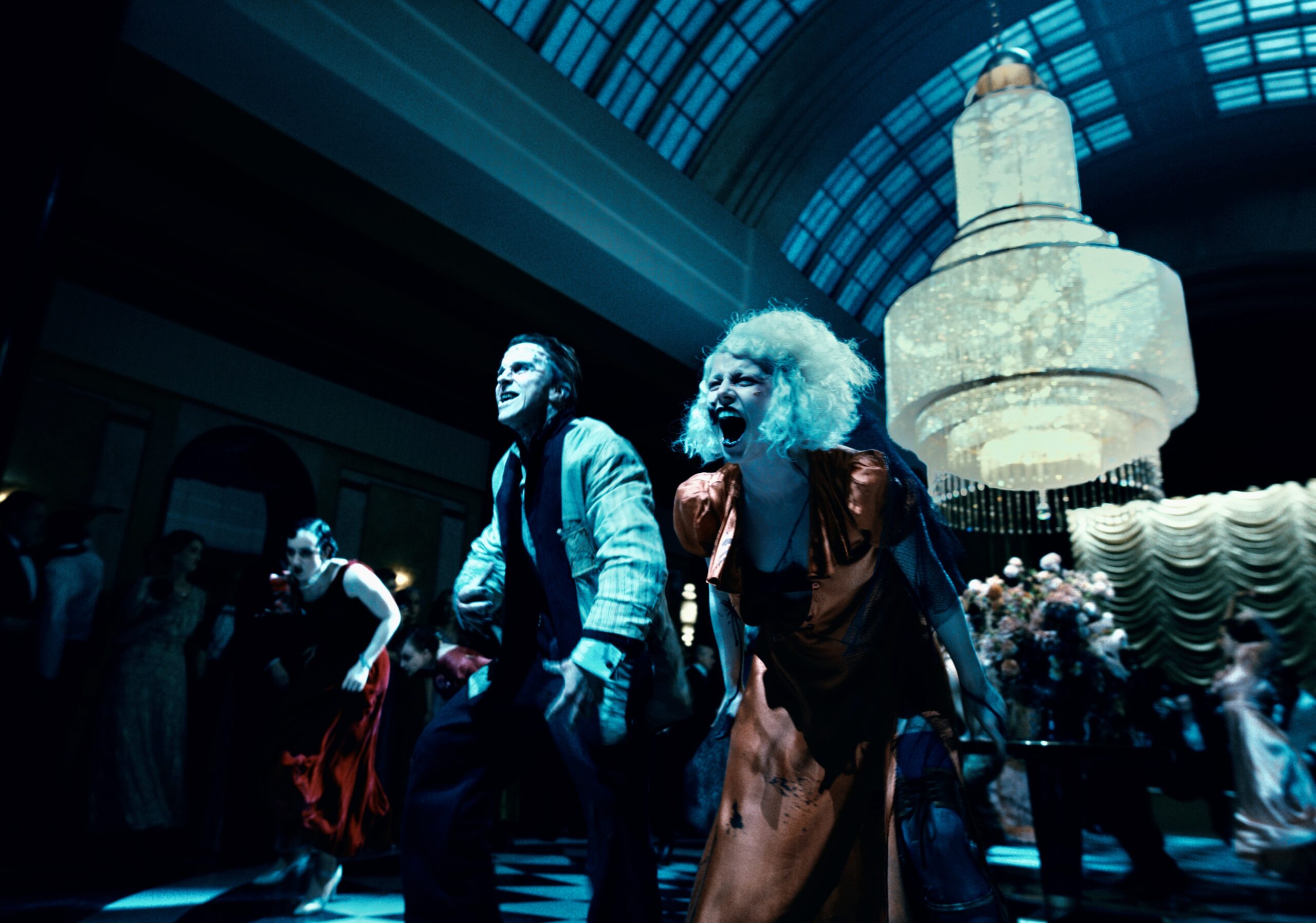
As an auteur, Gyllenhaal makes quite an impression visually and technically. Again, the big blemish is an improbable script that she tries to gallantly elevate. But audiences will collectively scratch their heads at key moments because of the absurdity. For example, a synchronized dance scene in a nightclub looks like a clip from TV’s Dancing with the Stars. Ida is agile, and so is Frank, but it doesn’t make sense that everyone in the room would know the same dance routine and keep in step perfectly unless they’d been in the same Broadway show.
The blips in reasoning are accompanied by a plethora of unneeded characters. Frank and the Bride should be the focus. One antagonist would do. Yet there are a lot of hangers-on: Law enforcement tracks her, but the overly dressed Myrna Mallow (Penélope Cruz) and secretive Jake Wiles (Peter Sarsgaard) seem extraneous. Frank’s obsession with Hollywood screen legend Ronnie Reed (Jake Gyllenhaal) and his love interest Iris (Julianne Hough) is a gimmick that wanes quickly. Especially when the monster continues to imagine himself into Reed’s movies.
A lead protagonist who evoked less chaos might have a persona audiences could latch onto. Unfortunately, Ida’s behavior is erratic to the point of annoyance. She’s a disrupter without a cause. That makes Buckley’s job of interpreting the character tough. Too many variations. Too many traits. Buckley does the best she can with what’s on the page, looking like a hyped-up, sugar-high Cyndi Lauper. The character may be conveying a feminist message, but it’s muddled at best. Bale’s portrayal of Frank is far more restrained and awesome. He captures more of the mystique of a Frankenstein monster in two minutes than Jacob Elordi did in the entire 149 minutes of Frankenstein 2025.
A golden opportunity to bring an updated character into the Frankenstein universe fumbles. It started with a good premise but an unsettled script. Hard to figure out who the happy audience will be. Not tweens, teens or twentysomethings. They’ll likely feel jilted. Frank gets his lover. But the audience goes home alone.
Trailer: https://www.youtube.com/watch?v=IhgcUArO3Uo
Visit Film Critic Dwight Brown at DwightBrownInk.com.