(**1/2)
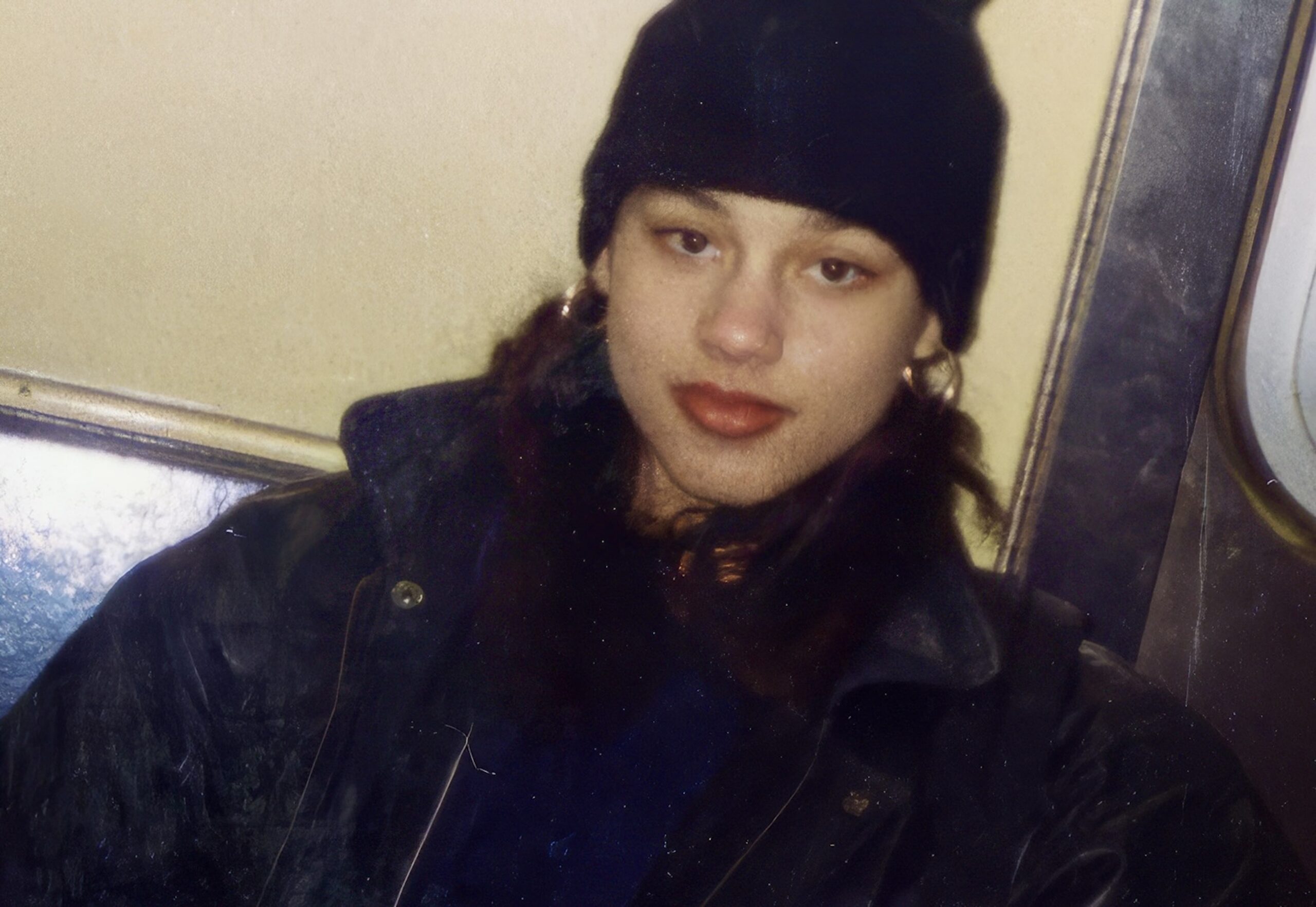
“I’m just a kid from Hell’s Kitchen.” But many New Yorkers think of her as the city’s daughter. And now viewers of this dual-track documentary will know how that neighborhood influenced her and how she helped make it famous.
Two intertwining storylines bind this bio/doc that’s seasoned with Alicia Keys’ vibrant music. Her NYC background mingles with the making, staging, developing and opening of her Broadway musical Hell’s Kitchen. When one avenue gets a bit tiresome, the other half often perks up the footage and vice versa. Often but not always. So those who love Keys and her music or are curious how to develop a musical for Broadway may remain entertained and intrigued. Others might not.
Emmy-nominated executive producer, director, and multimedia artist One9 (né Michael Baluyut Silverman), a former street artist and muralist, is a Brooklynite steeped in hip hop culture. His filmography includes docs (Nas: Time is Illmatic, 2014) and series (Hip Hop: The Songs That Shook America, 2019) and Prime Video docuseries (Allen Iverson, 2025). Knowing his background is essential to understanding the pros, cons and specifics of this Keys homage. This isn’t a traditional point-and-shoot doc. This feels like taking a subway ride while images of 1990s Times Square flash past on the tunnel walls. Its unique style leans toward viewers who came of age in the 1990s.
The heart of Keys’ upbringing is the Manhattan Plaza, a building between 9th and 10th Avenues and 42ndStreet and 43rd Street in NYC. It opened in 1977 in a gritty neighborhood filled with sex stores, hookers, drug addicts and Broadway theaters. These video clips have an edge to them and will be quite a shock to some viewers and tourists who had no idea that the Disneyfied Times Square they experience today was a pit yesterday. In those days, the development couldn’t find tenants and became subsidized housing for artists.
One of the most interesting parts of the doc is finding out who Keys’ neighbors were and who worked there. The list is impressive from Philip Seymour Hoffman to Giancarlo Esposito and Larry David to Samuel L. Jackson, who once worked there as a doorman. A basement cabaret room, “Ellington,” is where Keys as a kid would play piano and dream of being an artist/musician. This was her nest. Her laboratory. Exploring Keys’ center of gravity helps audiences understand how she developed her contagious optimism, inclusive view of life and yearning to perform her own music.
The footage and its vivid array of photos, videos and interviews chronicle Keys’ life from childhood to adulthood. The film recounts her single mom’s challenges raising a kid in NYC. It follows her music lessons, first songs, early recording contracts, and eventual partnership with Clive Davis and Arista Records. Davis proclaims: “Not since Whitney had I seen a young talent…” Her feelings about the music world, family, friends and influences are duly noted. It’s all spiced up as she adds in her experiences with hip hop, partying at New York nightclubs and developing a style that’s won her multiple Grammy Awards.
The competing storyline to her bio follows Keys’ long-gestating Broadway musical Hell’s Kitchen. Writing, developing, auditioning, hiring, rehearsing and staging. Starting at the Public Theater, moving to the Great White Way. It’s a how-to guide on turning a seed of an idea into a Tony-nominated and Tony-winning musical. The casualness of Keys’ DIY mentality underlines her genius and ambition. However, some of this portion can be tedious and One9’s direction doesn’t find a way to make it more exciting. The footage is more suited for a behind-the-scenes trailer than a film.
The core of this story is a very spiritual human being who expresses herself in the most sensitive ways. You see it in how she treats all the people she encounters. The touching ways she helps the novice lead actress in the musical, Maleah Joi Moon, understand her role and gain the confidence to play the woman who’s her mentor, Alicia Keys at age 17. Touching as it is, it goes on for too long.
If editors Chris Iversen and Joseph Volpe had found ways to clip the film down from 96 minutes to 90 or less, it would run tighter. If they’d requested longer scenes and not so many short unsettling ones, audiences might be happier. Cinematographers Michael Koshkin and Snyder Derival’s work is perceptive but never astounding, either in its lighting or visual composition. What’s on view looks like low-budget filmmaking. Guerrilla, grassroots, home-video-like. Never really visually attractive. Just bits and pieces for the eyes. Something feels off, from a technical standpoint. Like an ambitious, eclectic approach to doc filmmaking was better on script than it was on screen.
What’s on view makes you wonder how much more interesting this film might have been if it concentrated solely on Keys, her life, music and performances. While effectively capturing Keys’ streetwise nature, this documentary never achieves the same polish and artistry she displays.
For more information about the Tribeca Film Festival go to: https://tribecafilm.com
Visit Film Critic Dwight Brown at DwightBrownInk.com.